Jade
Jade is not one mineral but two — jadeite, a pyroxene, and nephrite, an amphibole — and both have been carved and worn for thousands of years. Neither is the hardest stone in a jewelry box (jadeite Mohs 6.5–7, nephrite 6–6.5), yet their interlocking fiber structure makes them the toughest natural gem material: jade survives knocks that would chip quartz. Below you will find our full jade range of bracelets, bead strands and pendants.
What Jade Actually Is
Jadeite is a sodium-aluminum pyroxene (specific gravity about 3.3) whose finest green comes from Myanmar's Hpakant deposits — the famous imperial green, along with apple green and lavender. Nephrite is a calcium-magnesium amphibole (specific gravity about 2.95) best known from East Asian river and mountain deposits, from New Zealand pounamu, and from British Columbia. Both form under high-pressure metamorphic conditions, which is exactly what creates their felted, intergrown crystals.
What sets jade apart physically is toughness, not hardness. Hardness resists scratching; toughness resists breaking. Jade's fibrous weave stops cracks from traveling, which is why ancient blades and modern bangles alike could be carved thin without shattering.
Jade Meaning and Association
In the oriental tradition that stretches back more than five thousand years, jade stands for harmony, protection and quiet prosperity — a stone meant to be worn daily rather than saved for occasions. It is most commonly linked to the heart chakra. In vintage Chinese carving, the pierced "donut" shape many bracelets still use today was a talisman for safe travel. These are cultural associations rather than scientific claims, but they explain why jade is the stone people inherit rather than replace — see our crystals by intention hub to browse stones for calm, protection and abundance.
How to Wear and Use Jade
Jade is dense and cool to the touch, which makes bead bracelets its most natural form: the weight reads as substance, and the material takes a wax-like polish that improves with wear against skin. A jade bangle is a lifetime purchase if it fits — slide it over the hand at the widest point with soapy water if needed, and once on, leave it on. For a first piece, a strand of 8 mm beads or a carved pendant balances presence against price.
Caring for Jade
Warm water with a drop of mild soap and a soft cloth is all jade needs; dry it thoroughly before storage. Avoid ultrasonic cleaners, steamers, and any strong acid or alkali — including household bleach and some jewelry dips — because both jadeite and nephrite can be etched or dried out. Jade's toughness handles daily wear well, but an existing crack will grow under a sharp knock, so remove bangles before heavy work. Store jade away from harder stones such as quartz to protect its polish, not its structure.
How to Tell Natural from Treated Jade
The trade grades jade by letter. Grade A is natural, untreated jade — waxed at most — and shows subtle color variation under a loupe. Grade B has been acid-etched and polymer-filled; under 10× magnification the surface shows a broken, net-like acid texture and the color looks washed out. Grade C is dyed, with color pooling along cracks and grain boundaries. Dyed quartzite and serpentine are the most common lookalikes — both lack jade's density, so a genuine jade bangle feels distinctly heavier than a same-sized imitation in the hand.
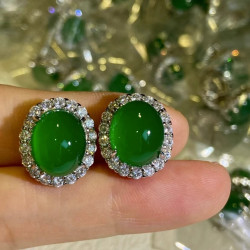
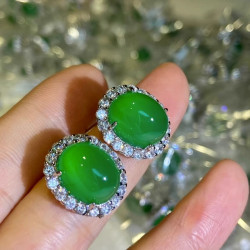
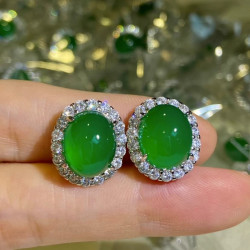
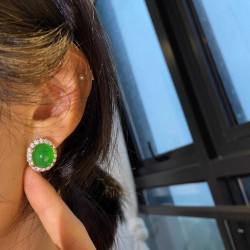
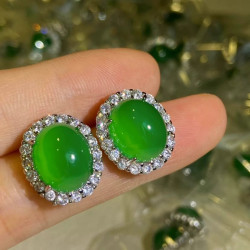
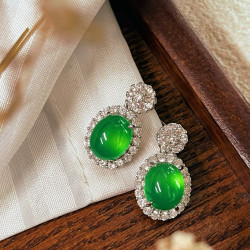
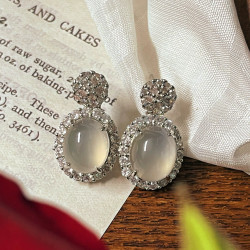
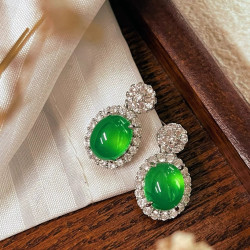
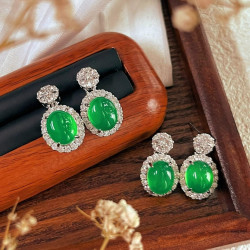
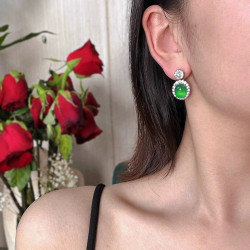
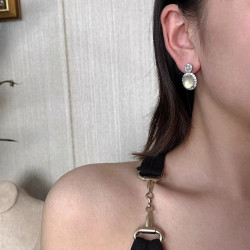
Classic Jade Earrings for Wealth & Abundance
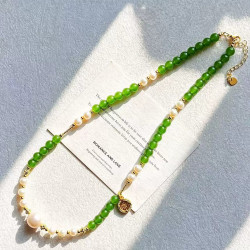
Classic Jade Pendant for Wealth & Abundance
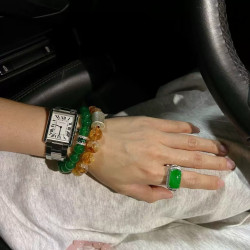
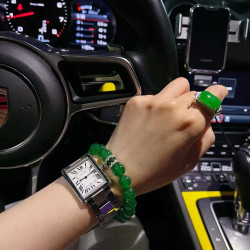
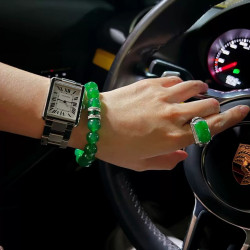
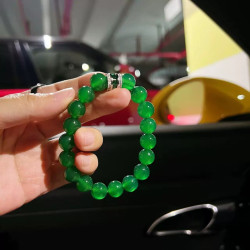
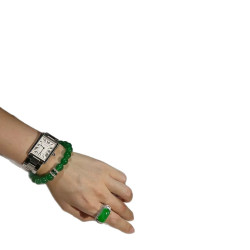
Jade 10mm Bracelet for Wealth & Abundance
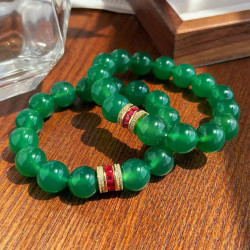
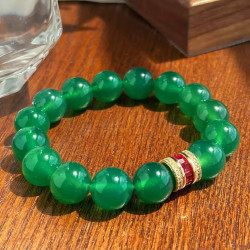
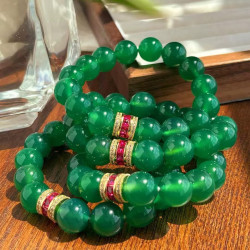
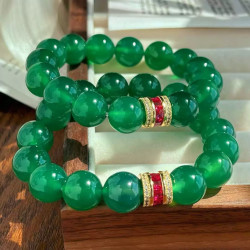
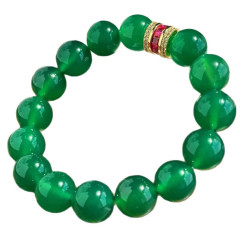
Jade 12mm Bracelet for Wealth & Abundance
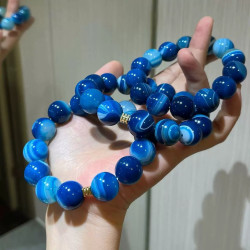
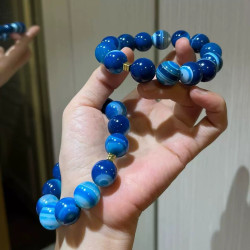
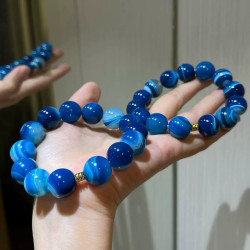
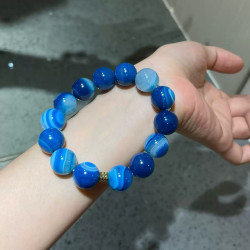
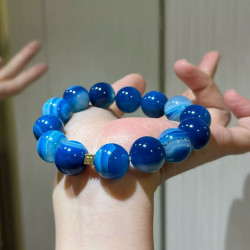
Jade 14mm Bracelet for Wealth & Abundance
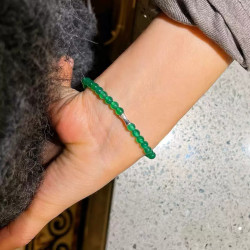
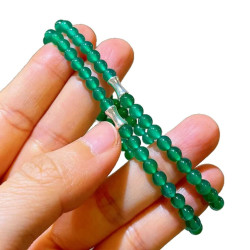
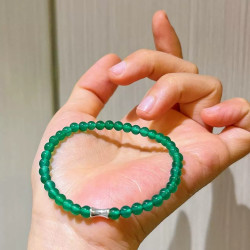
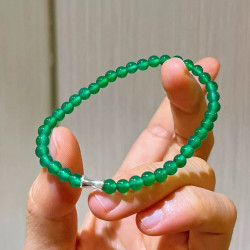
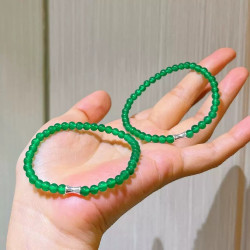
Jade 4mm Bracelet for Wealth & Abundance
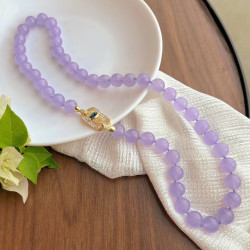
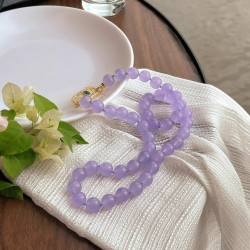
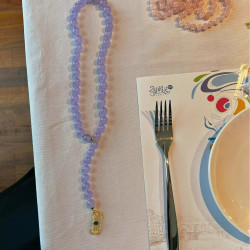
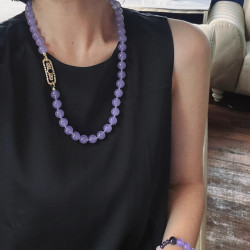
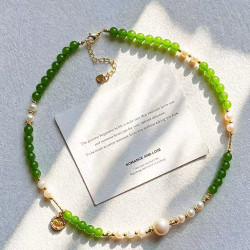
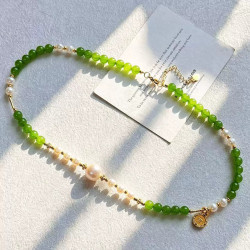
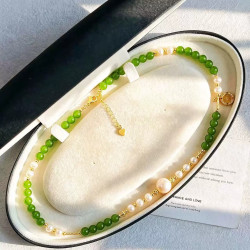
Jade Adjustable Long Necklace for Calm & Peace
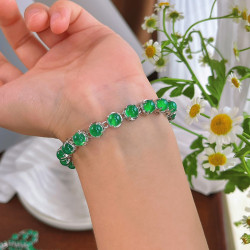
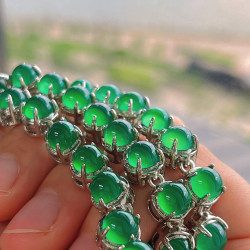
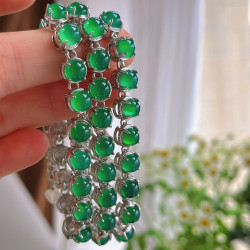
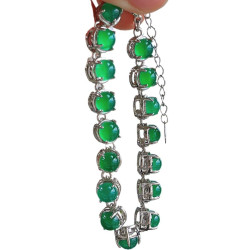
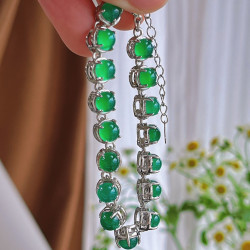
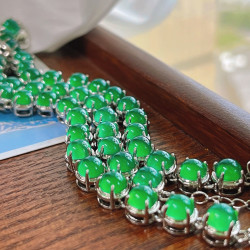
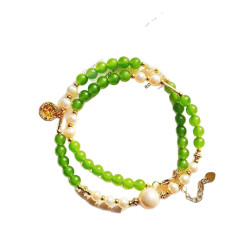
Jade Bracelet for Wealth & Abundance