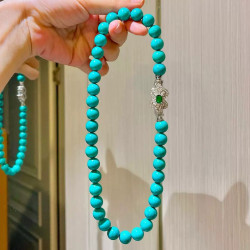
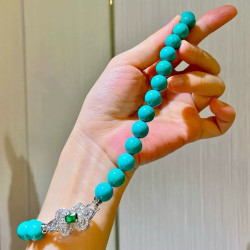
Natural Crystal
Every stone in this collection is natural crystal — material that grew in the earth over geological time and was cut and polished, not manufactured. That single distinction matters more than any name on a tag: it decides how a stone wears, ages and holds its color. Below you will find our natural crystal range of bracelets, pendants and strand necklaces, each piece made from untreated rough.
What Natural Crystal Actually Is
Natural crystals grow from mineral-rich fluids in three main settings: molten rock cooling deep underground, hot water deposits filling veins and cavities, and metamorphic recrystallization under heat and pressure. Depending on the mineral, the result is quartz, feldspar, beryl, garnet or any of the hundreds of species used in jewelry. What they share are the fingerprints of slow growth: inclusions, color zoning, slight asymmetries and growth lines that no factory reproduces convincingly.
The alternatives are two. Melt-grown glass and "reconstituted" stone (crushed material fused back together) have no crystal structure at all. Lab-grown quartz and corundum do have structure, but they grow in months, not millennia, and tend to be too clean — a natural crystal almost always has something inside it worth looking at.
Natural Crystal Meaning and Association
In crystal tradition, an untreated stone is considered the most complete carrier of its own character — the reason collectors describe a crystal as "having a story" when inclusions, phantoms or iron staining are visible. Associated meanings follow the mineral: violet stones for calm, red-brown for grounding, green for renewal. These are cultural associations rather than scientific claims, but they shape how most people choose a piece — browse our crystals by intention hub to match a stone to what you want more of.
How to Wear and Use Natural Crystal
A natural crystal that touches skin is being worn the traditional way, so bead bracelets and simple pendants do most of the work here. Harder stones (quartz at Mohs 7) can be worn every day without visible wear; softer stones like calcite or fluorite belong in pendants where they will not be knocked. If you set an intention when you put a piece on — focus, calm, confidence — treat it as a mindfulness habit; the stone is the reminder, the habit is the mechanism.
Caring for Natural Crystal
Two rules cover nearly every natural stone. First, hardness decides storage: keep softer minerals away from quartz, topaz and anything with sharp edges, ideally in separate pouches. Second, composition decides cleaning: warm water and mild soap is safe for most silicates, but anything in the carbonate family — calcite, malachite, turquoise, lapis with visible white calcite veining — must stay away from acids, including vinegar and strong cleaners. When in doubt, a dry soft brush and a microfiber cloth are always safe.
How to Tell Natural Crystal from Imitations
Look inside first. Natural crystals show inclusions — tiny mineral flecks, healed fractures, liquid or gas pockets — while glass shows bubbles and swirl lines. Color is the second clue: natural color sits unevenly, concentrated in zones or along growth lines, whereas dyed stone shows color pooled in cracks and around the drill holes of beads. Temperature is the third: glass and plastic feel warm to the cheek quickly, while crystalline stone stays cool longer because it conducts heat better. A jeweler's loupe confirms in minutes what marketing copy cannot.
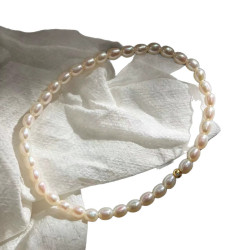
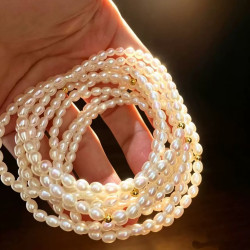
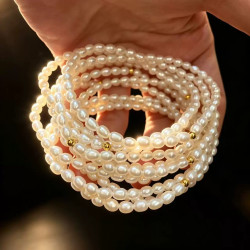
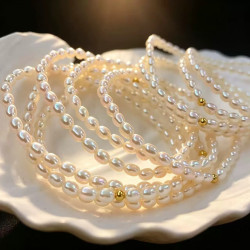
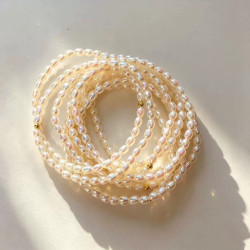
Freshwater Pearl 5mm Bracelet for Calm & Peace
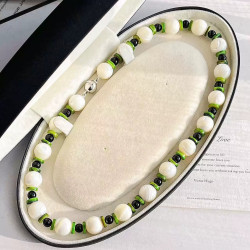
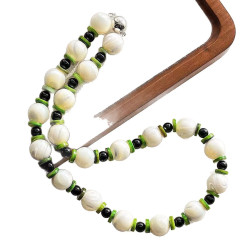
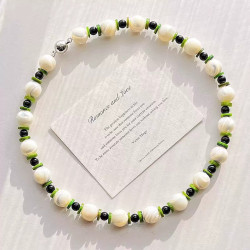
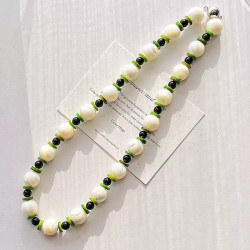
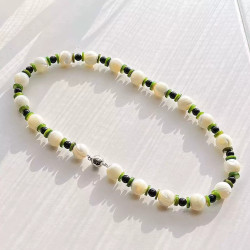
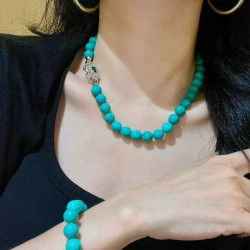
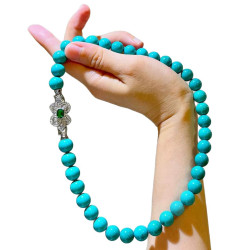
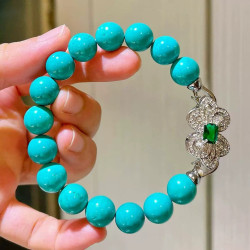
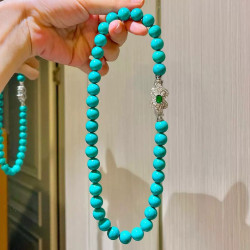
Natural Crystal Necklace for Spiritual Growth
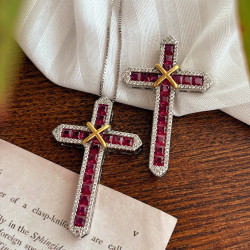
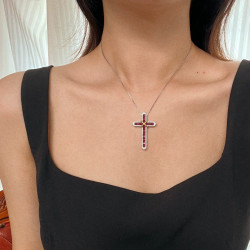
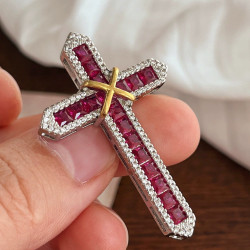
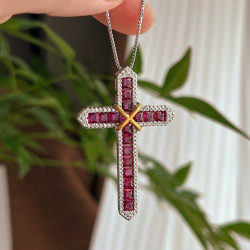
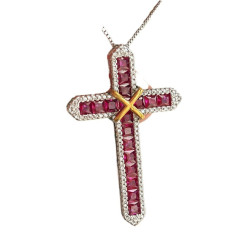
Natural Crystal Pendant for Spiritual Growth
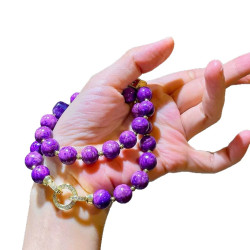
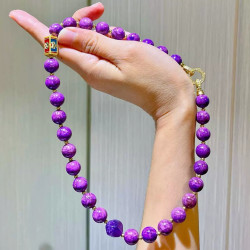
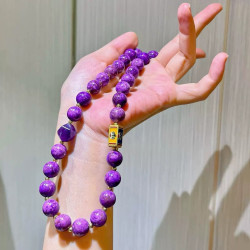
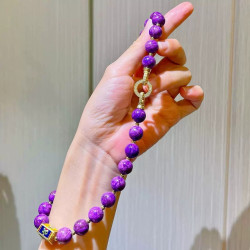
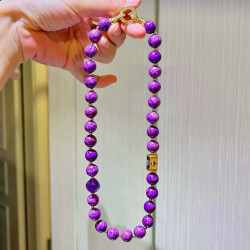
Oriental Natural Crystal Necklace for Spiritual Growth
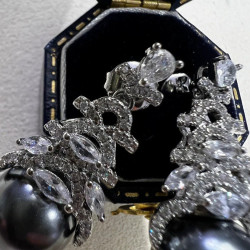
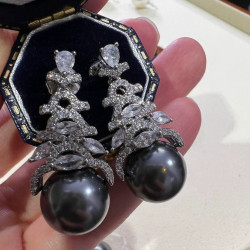
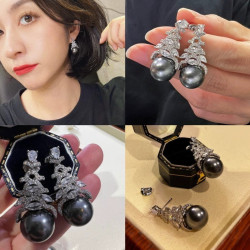
Pearl Necklace for Calm & Peace
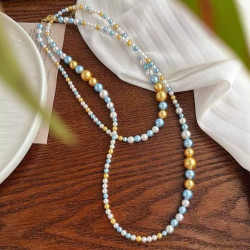
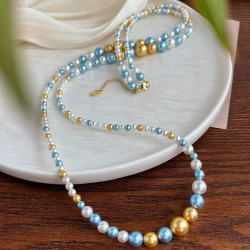
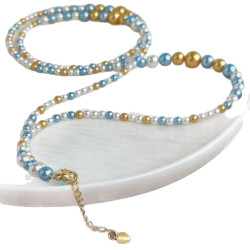
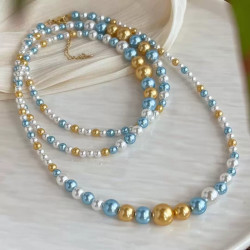
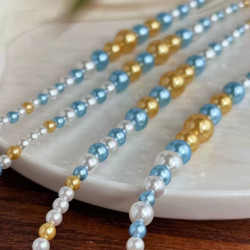
Pearl Pendant for Spiritual Growth
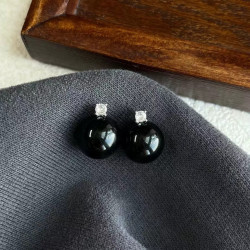
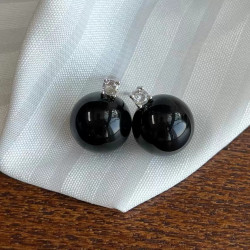
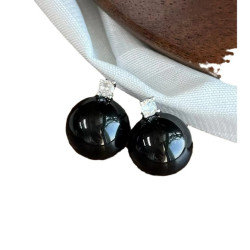
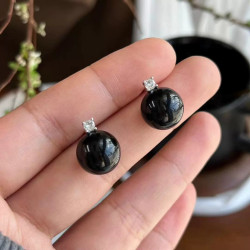
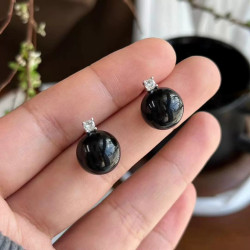
Sterling Silver Earrings for Spiritual Growth