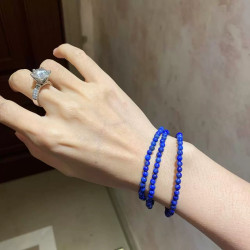
Lapis Lazuli
Lapis lazuli is not a single mineral but a rock — a deep blue mass of lazurite shot through with golden pyrite flecks and white calcite veins. It has been mined in one place, the Badakhshan mountains of Afghanistan, for more than six thousand years, and its color is still the standard other blue stones are measured against. Below you will find our full lapis lazuli range of bracelets, bead strands and pendants.
What Lapis Lazuli Actually Is
Lazurite, the blue component, is a sulfur-bearing feldspathoid mineral — the sulfur is what makes the color. The golden glitter is pyrite (iron disulfide), and the white markings are calcite. The mix matters for wear: overall hardness sits around Mohs 5–5.5, and the calcite content reacts with weak acids. The finest grade, called "AA" in the trade, is nearly solid blue with small, evenly scattered pyrite; visible white calcite lowers both the grade and the price.
Before synthetic ultramarine was invented in the 1820s, powdered lapis was the only permanent deep blue pigment in Europe — Vermeer painted his blue details with it, and medieval manuscripts reserved it for the most important robes. The Mask of Tutankhamen carries lapis inlay, traded from the same Afghan mines that supply the material today.
Lapis Lazuli Meaning and Association
In crystal tradition lapis is a stone of wisdom, truth and clear inner vision, and it is most commonly linked to the third eye chakra. Ancient Egyptian practice paired it with royalty and judgment; later Central Asian tradition treated it as a scholar's stone. These are cultural associations rather than scientific claims, but they explain why lapis is often chosen as a gift for graduates, teachers and writers. To compare it with the other classic third-eye stone, see our amethyst collection; to browse by purpose, start at the crystals by intention hub.
How to Wear and Use Lapis Lazuli
Lapis polishes to a soft, almost waxy luster that reads as velvet rather than sparkle, which makes it a natural partner for silver and for plain dark fabrics. Bead bracelets and chunky barrel beads suit the material best — the stone takes a good shape and the pyrite flecks move as the wrist turns. Keep rings and cuffs for occasional wear: at Mohs 5–5.5, lapis will show wear if it shares a hand with a desk edge or a kitchen counter every day.
Caring for Lapis Lazuli
Water rules are strict: a quick rinse and immediate dry is fine, but never soak lapis. The calcite in the stone dissolves slowly in water and faster in anything acidic, and prolonged soaking dulls the polish. No ultrasonic cleaners, no steamers, no ammonia. Wipe body oils and sunscreen off with a slightly damp soft cloth after wearing. Store lapis flat in its own pouch, away from quartz and anything harder, so the polish survives the decades its color deserves.
How to Tell Natural from Treated Lapis
The classic imitation is dyed howlite or dyed magnesite — white stones that take dye with convincing depth. Two tests separate them: real lapis carries pyrite flecks that glint gold at an angle (dye does not create pyrite), and a drop of dilute acid on an inconspicuous spot will fizz on the calcite of genuine lapis — a test best left to a dealer. Some natural lapis is lightly waxed or oiled to improve luster, an accepted practice; the red flag is color that transfers to a damp cloth, which means surface dye rather than stone.
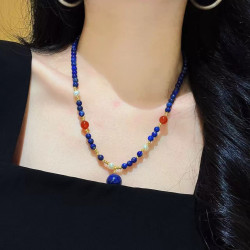
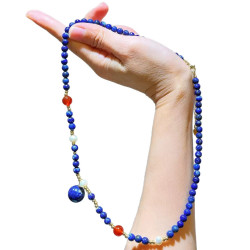
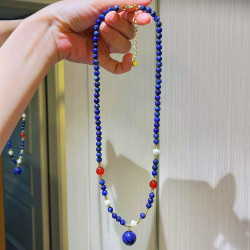
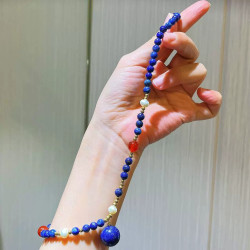
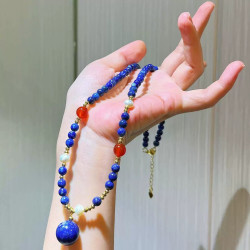
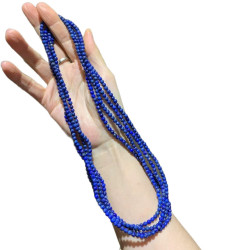
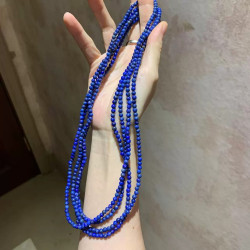
Classic Lapis Lazuli Necklace for Spiritual Growth
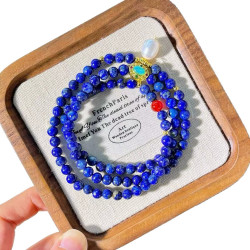
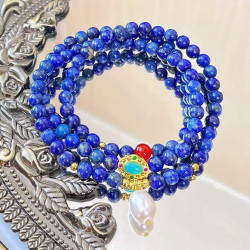
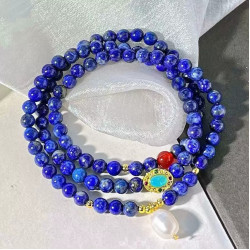
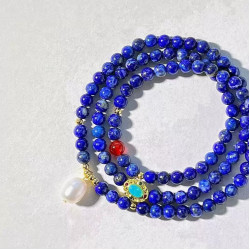
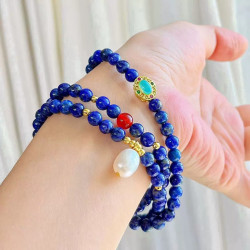
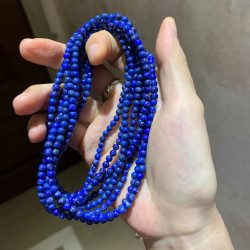
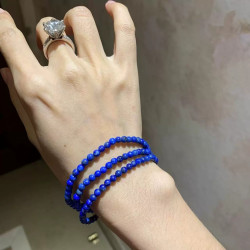
Lapis 4mm Multi-Wrap Bracelet for Spiritual Growth
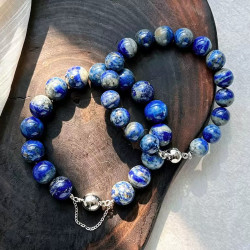
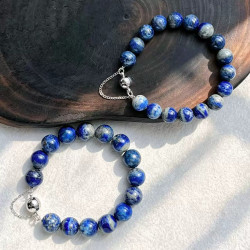
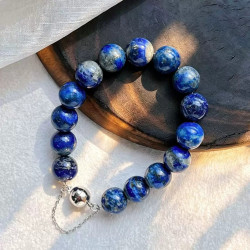
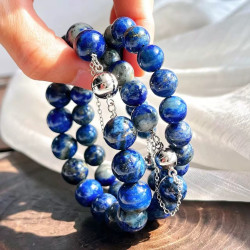
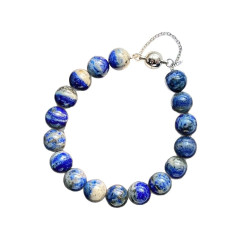
Lapis Lazuli 12mm Bracelet for Spiritual Growth
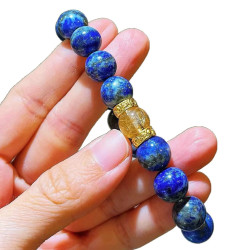
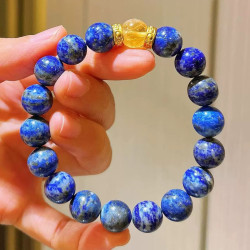
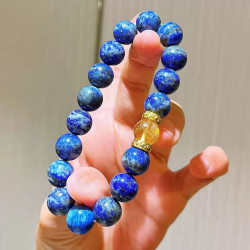
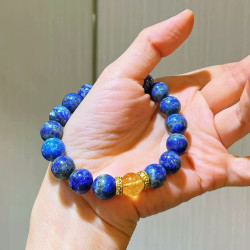
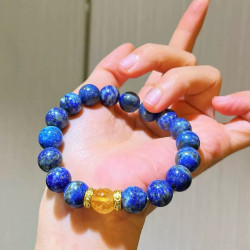
Lapis Lazuli Bracelet for Spiritual Growth
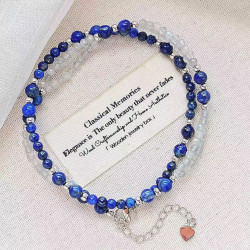
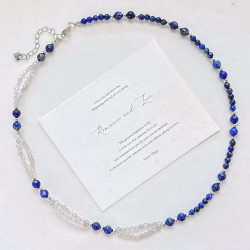
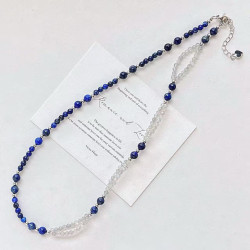
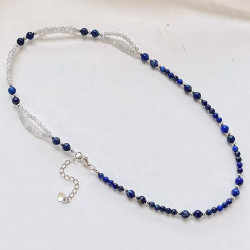
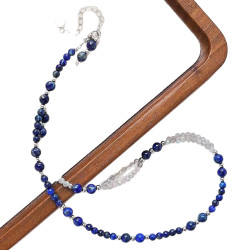
Lapis Lazuli Layered Necklace for Spiritual Growth
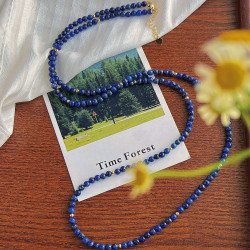
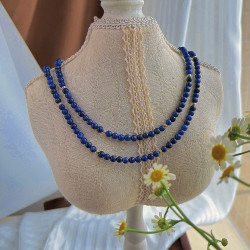
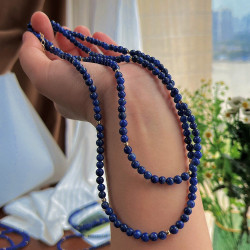
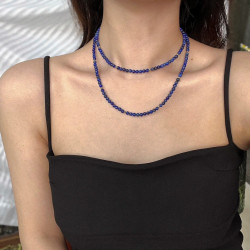
Lapis Lazuli Necklace for Spiritual Growth
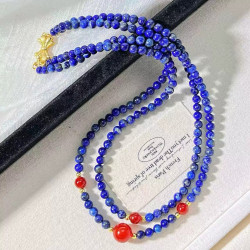
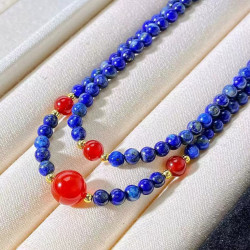
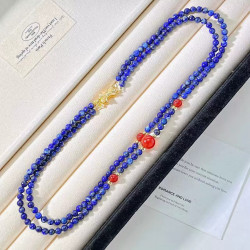
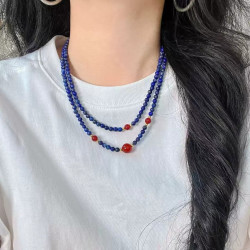
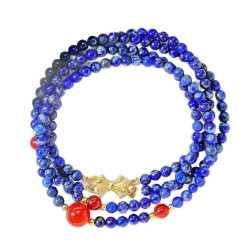
Lapis Lazuli Pendant for Spiritual Growth
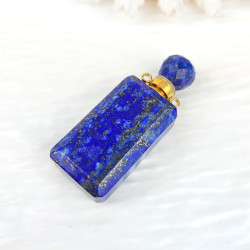
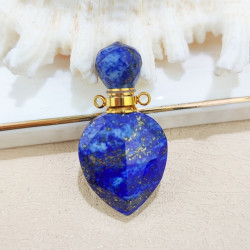
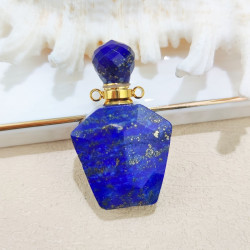
Lapis Lazuli Perfume Bottle Pendant for Spiritual Growth