Dressing by the Planets: A Seven-Day Color Energy Practice for October
By Starener Editorial - 01/08/2026 - 0 comments
An Old Idea With a Very Practical Weekly Logic
Long before planners and productivity apps, many cultures organized the week around seven visible "planets," each believed to radiate a distinct color frequency. Sunday belonged to the Sun's gold, Monday to the Moon's white and silver, Tuesday to Mars red, Wednesday to Mercury green, Thursday to Jupiter yellow, Friday to Venus soft greens and pinks, and Saturday to Saturn's deep blue. Astrological color traditions still use this planetary-day system as a gentle mood-regulation practice — not as superstition to obey, but as a rhythm of intentional color choice that many people find steadies the inner weather.
The logic fits the three-layer model of color energy: color guides visual focus, triggers bodily sensory associations, and awakens personal and cultural memory. A deliberately chosen color works like a small recurring visual anchor — seen every time you check your watch strap, adjust a scarf, or glance at a ring — quietly reminding your mind which quality you intend to embody today.
Your Week of Color Energy: A Day-by-Day Practice
Sunday — Sun Gold: Confidence and Visibility
Gold, orange, and radiant warm hues are linked with vitality and renewal. Practitioners suggest wearing a gold accent when you need to be seen — presentations, first meetings, any day that asks you to take up space. Many people find one small vibrant piece works better than head-to-toe color: a cuff, a pendant, a belt buckle that catches the light.
Monday — Moon White and Silver: Emotional Reset
White, silver, and soft pastels are associated with calm and emotional balance. Monday often arrives with accumulated weekend noise; tradition holds that lunar colors support the reset. A white shirt, a silver chain, or pearl-toned accessories suit days when you want to feel clear rather than loud.
Tuesday — Mars Red: Courage and Drive
Red stimulates alertness and assertiveness — the color of initiation. Use it sparingly and deliberately: a red thread bracelet, red nails, a pocket square. Practitioners caution that too much red in restful spaces like bedrooms can disturb rest; the color asks for context.
Wednesday — Mercury Green: Clear Communication
Light green is tied to adaptability, mental clarity, and communication — useful midweek, when meetings and negotiations cluster. Wearing green or keeping a green stone on the desk is a classic Mercury-day gesture, and spending lunch in an actual green park is said to double the effect.
Thursday — Jupiter Yellow: Optimism and Expansion
Yellow and gold shades support optimism, learning, and generosity. Teachers and students traditionally favor Jupiter days for study sessions. A yellow notebook, a golden keychain — small things that draw your attention and remind you of the quality you are cultivating.
Friday — Venus Pink and Soft Green: Connection and Ease
Venus colors — soft greens, pinks, harmonious tones — promote relaxation and emotional warmth. Friday evenings, dates, and reconciliations all belong here. Many people find rose-toned jewelry shifts how they carry themselves toward gentleness.
Saturday — Saturn Deep Blue: Focus and Structure
Deep blue and navy carry discipline, structure, and grounding. When you feel scattered, tradition suggests navy anchors focus — the color of steady, unhurried competence. Pair it with clear blue sky-gazing, which Saturnian color practice recommends for calm detachment.
Matching Planetary Colors to Your Own Chart
The weekday system becomes more personal when layered with your birth chart. Fire signs (Aries, Leo, Sagittarius) often already carry solar and Martian warmth, so lunar whites and Saturn blues balance them; water signs (Cancer, Scorpio, Pisces) thrive on lunar whites but may borrow small pops of Mars red when they need assertiveness without overwhelming their natural sensitivity. Practitioners emphasize the general rule: bright, pure shades are said to strengthen a planet's positive qualities, while murky tones of the same color are associated with its heavier expression.
If you want a physical anchor for your planetary practice, a colored gemstone worn on its corresponding day makes the ritual tactile. The gemstone jewelry at Starener covers most planetary hues — from citrine gold to rose quartz pink to lapis blue — so the week's colors can live on one jewelry stand.
The Deeper Point: Dressing as Intention-Setting
Every color choice is a small declaration of intent. Whether or not one takes planetary correspondences literally, the mechanism practitioners point to is behavioral: a consciously chosen color, seen dozens of times a day, keeps a chosen quality in the foreground of attention. That is the same mechanism behind any effective ritual — repetition with meaning. Used this way, color becomes one of the cheapest and most beautiful mood-regulation tools available: no cost, no equipment, already hanging in your wardrobe.
FAQ
Do I have to wear the planetary color all day?
No. A single accessory — a strap, a ring, a scarf — is enough to serve as the visual anchor. The practice works through repeated glances, not full outfits.
What if I dislike my sign's or the day's color?
Skip it. Practitioners agree the best color is one that genuinely comforts you; a disliked color creates friction instead of focus. Observe how a color makes you feel in real life before adopting it.
Can the wrong color really affect mood?
Tradition holds that a color can feel overstimulating or heavy when it mismatches the person, context, or purpose — too much red in a bedroom, too much grey in a workspace. The issue is rarely the color alone but the mismatch.
Is planetary color practice the same as color therapy?
They are related but not identical. Color therapy focuses on psychological effects of hues; the astrological system adds planetary associations and timing. Both treat color as an intentional tool rather than decoration.
Tags: Color Energy, Planetary Colors, Color Psychology, Mood Regulation, Weekday Ritual
Related Pieces
View All →
You May Also Like
All Articles →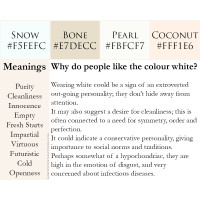
This content is copyrighted by its original authors. In case of any infringement, please contact us for removal.
Comments
Write a comment