The Seven-Day Color Rotation: A Chakra Color Ritual to Steady Your October Mood
By Starener Editorial - 07/08/2026 - 0 comments
A Week of Colors, One Steady Mind
October has a way of stirring things up: darker mornings, fuller calendars, a nervous system quietly asking what season it is. Color workers have a simple answer that has been used for generations — a seven-day color rotation, one chakra color per day, woven into ordinary life through what you wear, eat, and look at.
The practice is gentle, free, and surprisingly effective at stabilizing mood — precisely because it works through the three mechanisms that color energy tradition describes: guiding visual focus, triggering bodily sensory associations, and awakening personal and cultural memory.
Why a Rotation Works When One Color Doesn't
Most people wear whatever is clean. But when you deliberately choose a color, you are doing three things at once:
- Directing the eye. A chosen color becomes a visual anchor — you notice it on your wrist, in your cup, on your scarf — and noticing pulls a scattered mind back to the present.
- Waking the body. Warm reds and oranges carry a sensory charge; cool blues and greens slow the breath. Tradition holds that the body responds to these hues before the mind has said a word.
- Summoning memory. Colors carry personal and cultural meaning — the green of a childhood garden, the gold of festival lights. Working with a color deliberately invites those associations in on purpose.
A single color every day would over-tilt the system — which is why the rotation matters. Seven colors across seven days gives each energy center attention in turn, the way a balanced workout schedule gives each muscle group its turn.
The Seven-Day Rotation, Day by Day
Monday — Red (Root)
The week begins with grounding. Wear something red near the base — socks, a bag charm — and eat a red food: beets, tomatoes, red apple. Red is the color of stability and vitality; starting here steadies the Monday nerves before they start.
Tuesday — Orange (Sacral)
Creativity and flow. Orange accents in your workspace, an orange peel's scent in your tea, carrots at lunch. Many people find this the most energizing day of the rotation — good for starting the projects we keep postponing.
Wednesday — Yellow (Solar Plexus)
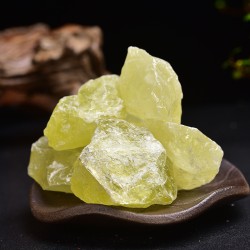
Confidence and decision-making mid-week. Yellow — a notebook, a lemon on the counter, sunlight breaks — is the traditional color of personal power. Use it on the day you need to make the calls you have been avoiding.
Thursday — Green (Heart)
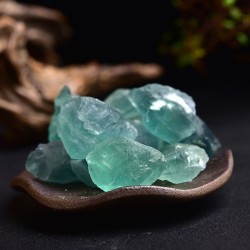
Compassion and connection. Plants on the desk, leafy greens on the plate, a green stone at the wrist. Tradition holds green softens the mid-week edge — especially useful before difficult conversations.
Friday — Blue (Throat)
Honest expression. Wear blue when you need to speak clearly — presentations, feedback, the week's closing summary. Blue is the communication color in nearly every color system, and many practitioners find it helps words arrive calmly.
Saturday — Indigo (Third Eye)
Intuition and inner listening. Dim screens slightly, sit with indigo or deep violet in your evening, and let the quieter questions surface. This is the rotation's reflective turn.
Sunday — Violet (Crown)
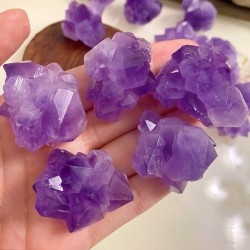
Meaning and connection. Violet candles, lavender, soft purple light at dusk — the traditional color of spiritual connection, closing the week on purpose rather than by default.
The Five-Minute Morning Color Meditation
Pair the daily color with a short visualization. Sit comfortably, breathe slowly, and picture the day's color glowing gently at its corresponding point in the body — red at the base of the spine, orange at the belly, yellow at the solar plexus, green at the chest, blue at the throat, indigo at the brow, violet at the crown. Three slow breaths on each detail of the image, then carry the color with you: glance at your chosen object whenever the day frays, and let it re-tune the note.
Wearing the color as jewelry makes the anchor portable. A red jasper bead on Monday, blue lace agate on Friday — a small physical cue that outlasts every notification. If you would like a wearable color anchor for each day, the gemstone pieces at Starener are chosen with exactly this kind of daily color practice in mind.
Three Mistakes That Weaken the Practice
- Using color without intention. Wearing blue while doomscrolling is just wearing blue. Name what the color is for — calm, courage, clarity — and the mechanism engages.
- Forcing instant results. Color work is subtle and cumulative. Most people notice gentle shifts within days and steadier moods over weeks.
- Chasing one color only. The rotation exists for a reason; balance comes from the cycle, not from any single hue.
Color practices are complementary tools — they support wellbeing but do not replace professional care where it is needed. Within that honest frame, they remain one of the simplest daily rituals available: no equipment, no cost, only attention.
Frequently Asked Questions
How long should the daily color practice take?
The five-minute morning meditation is enough; the rest of the day you simply keep the color's object in sight and revisit it when you remember. Consistency matters far more than duration.
Do I have to follow the exact color order?
The red-to-violet week is the traditional sequence and works well as a default, but you can start any day and adjust to your needs — many people add extra blue days during high-communication weeks. Keep the whole cycle balanced over time.
Can chakra colors really affect mood?
Color energy tradition and color psychology both observe that hues shape attention, bodily association, and memory — three inputs with real influence on mood. Many people find the practice calming and steadying; it is a complementary practice, not a treatment.
What if I dislike one of the seven colors?
Dislike is itself information — tradition reads strong color aversions as points where an energy center is under-nourished. Work with the color in small doses (a candle, a cup, a stone) rather than full outfits, and let familiarity soften the resistance.
Tags: chakra colors, color meditation, color energy, mood regulation
Related Pieces
View All →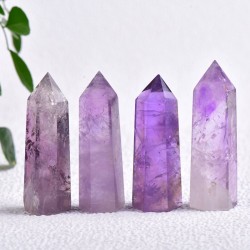

This content is copyrighted by its original authors. In case of any infringement, please contact us for removal.
Comments
Write a comment